
What is Athlete Sponsorship and How Does It Benefit Brands?
Published on
by Dominic Mills
As social media platforms are becoming increasingly more important to everyday consumer lives, the role of athletes and sports personalities is continuing to grow.
With many brands already utilising athlete sponsorships to capitalise on the influence and engagement that sport professionals have, we explore what athlete sponsorship actually is and how brands are benefitting from it.
In this Insight:

Sponsorship In Sport
Sponsorship has been an integral part of professional sport since ancient Greek and Roman times. Sport’s ability to captivate and engage people from all walks of life makes it the perfect platform for sponsoring entities to build meaningful connections.
Although the fundamentals of sport sponsorship remain much the same, a lot has changed since the days when members of the higher classes of Greek and Roman societies would sponsor sporting events to demonstrate a city's dominance and their own social standing.
Today, the realms of sport sponsorship stretch far beyond events, as brands have branched out to sponsor teams and athletes in many different capacities.
Below, we take a closer look at the latter and in particular, how endorsing athletes can benefit brands, and how it compares to other forms of sponsorship.

What is Athlete Sponsorship?
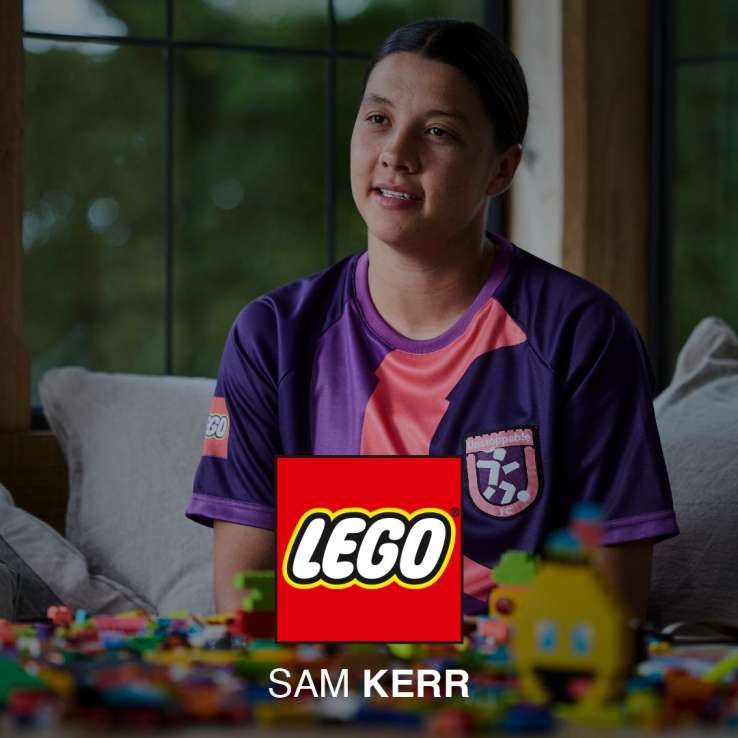
Athlete sponsorship is the practice of an external entity financially supporting an athlete, or individual in sport, for the mutual benefit of both parties.
Whilst the athlete's benefit is often centred around the monetary compensation, as well as working with an aligned organisation, the benefits for the sponsoring entity vary depending on the sponsor’s needs.
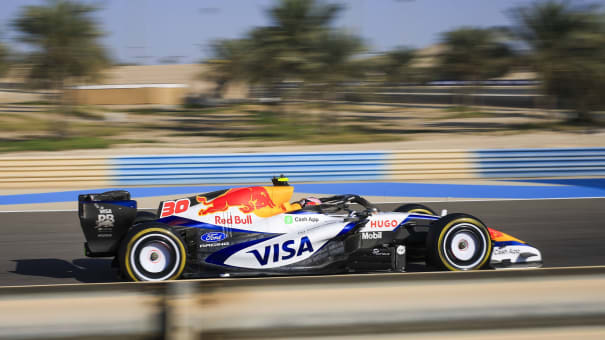
Typical examples include, athlete appearances in marketing activations, such as TV and digital adverts, social media promotions, events and the athlete's use and promotion of sponsored products/services.
The list of companies that benefit from athlete sponsorship is ever-increasing and any external organisation which doesn’t interfere or damage the sporting integrity of the structure in which the athlete competes in can be a sponsor, although the most common organisations are commercial companies.
Athlete sponsorships brokered by SPORTFIVE



How Does it Benefit Brands?
With some of the world’s biggest brands choosing to utilise athlete sponsorship as part of their marketing tool kit, it begs the question, how does it benefit these brands?
One of the main benefits of athlete sponsorship is that it provides organisations with heightened brand awareness. The global nature of sport today means that athletes feature within competitions that attract millions, sometimes billions of viewers worldwide. By placing their brand within this sphere, organisations can catch the attention of people around the world.
As well as offering increased awareness, athlete sponsorship also has the potential to shape brand image. By placing the brand alongside the athlete, organisations can create positive brand associations with the athlete to improve the overall brand image.
Finally, athletes have the power to create meaningful engagement and long-lasting interest, both through their influential profiles, but also their own platforms, such as social media channels.
Through activating marketing initiatives with athletes, brands can harness this meaningful engagement to influence brand awareness and image, as well as to shape consumer habits.
How Does it Compare to Other Forms of Sponsorship?
Sponsorship in sport has grown to previously unthinkable heights, with Statista reporting that the global sports sponsorship market was worth $105 billion in 2023 and expected to grow to almost $190 billion by 2030.
With athlete sponsorship only accounting for a part of these sums, it’s worth exploring how it compares to the other two major forms of sports sponsorship.
For an in-depth comparison between athlete, team and league/event sponsorship, and to find out which is best suited for your business, check out our insight article on the topic.
In short, all three forms of sponsorship offer the opportunity for increased brand awareness, brand image and campaign activation.
However, athlete sponsorship’s unique selling point is that it provides brands with a platform that target audiences relate to on a personal level, removing corporate barriers that can sometimes be perceived in team or event sponsorship, making it one of the most effective assets in a brand’s marketing tool kit.
$190 Billion
Global sports sponsorship estimated worth by 2030 according to Statista
Athletes - The Future of Sports Sponsorship
Some of the world’s biggest organisations, from almost every industry, rely on the power of sport sponsorships to propel their brand to new heights.
Within this sphere, athlete sponsorships are quickly becoming businesses’ go-to method for brand building, thanks to their unique ability to engage with audiences across all demographics.
At SPORTFIVE, we connect the biggest brands with some of the most well-known athletes and people in sport. From securing long-term partnerships for Santander, Blue Yonder and Callaway with golfing superstar Jon Rahm, to activating Xylem’s meaningful campaign work with Manchester City manager Pep Guardiola, we build the bridges between brands and athletes.
If you want to find out more about athlete sponsorship or our work, feel free to get in touch.
FAQs
Sports marketing encompasses various strategies and channels aimed at promoting and improving the visibility of sporting events, teams, athletes, and associated brands. Here is a list of the main types of sports marketing:
Sponsorship marketing:
- Naming rights: Companies pay for the naming rights to stadiums, events, or competitions, thereby associating their brand with a sports property.
- Team sponsorship: Brands sponsor sports teams and gain visibility through their logos on jerseys, equipment, and team facilities.
- Athlete promotion: Brands partner with athletes to promote their products, leveraging the athletes' image and popularity.
Advertising in sports
- Audiovisual advertising: commercials aired during televised or streamed sporting events.
- Stadium advertising: billboards, banners, and digital screens in sports venues.
- Print and digital advertising: ad placements in sports magazines, websites, and mobile apps.
Event marketing
- Promotions and gifts: special offers, discounts, or gifts to attract participants.
Social media marketing
- Content creation: sharing engaging and relevant content on platforms such as Instagram, Twitter, and Facebook.
- Influencer partnerships: collaborating with sports influencers and athletes to reach a wider audience.
- Live streaming: broadcasting live events, behind-the-scenes footage, or exclusive content on social media.
Community and local marketing
- Youth and amateur sports: engaging with local communities through youth programs and local initiatives.
- Community events: participating in or organizing events that help build relationships with local residents.
- Sponsorship of local teams: supporting and sponsoring local amateur sports teams.
Content marketing
- Branded content: creation and promotion of content in line with brand values in a sports context.
- Documentaries and series: development of long-form content telling compelling stories in the field of sports.
Digital and mobile marketing
- Mobile apps: developing apps for teams or events to boost fan engagement.
- Email marketing: using email campaigns to communicate with fans and promote events.
- Augmented reality (AR) and virtual reality (VR): integrating immersive experiences into marketing efforts.
Public Relations (PR) and Media Relations
- Press releases: Distributing information to the media to generate media coverage.
- Media interviews: Organizing interviews with athletes, coaches, and team representatives to build positive narratives.
By combining these different types of sports marketing, organizations can create comprehensive, integrated strategies to achieve their marketing goals within the dynamic sports industry.
Sponsorship is the financial support for a sporting event, organisation or athlete by an outside body, for the mutual benefit of both parties. At the professional level this tends to be by companies, to raise the profile of their brand by associating it with the athlete.
The company aims to generate brand awareness and customer recognition, whilst the event, organisation or athlete receives a boost in funding.
A popular example is a brand logo printed on a team shirt. Visibility is guaranteed, even more so in the modern world with social media and online highlights.
In the land of media and marketing rights today, there is no cookie-cut solution for brands, and a simple logo placement will not provide the sufficient return on investment (ROI) for sponsorship, nor does it give their target audience the “why?” - the reason to spend their money and engage with the product.
Companies investing in sports sponsorship need to look at the bigger picture to engage with fans and not rely on just one piece of inventory.
Establishing a partnership with an athlete, club, or federation involves a strategic approach and effective negotiation. Here are steps for each:
Athlete Partnership
Research: Identify athletes whose values align with the brand. Consider their audience demographics and market relevance.
Contact and Proposal: Reach out to the athlete or their management with a well-crafted proposal outlining the partnership benefits, objectives, and terms.
Negotiation: Discuss terms such as sponsorship duration, financial arrangements, and activation plans. Ensure mutual understanding and agreement.
Club Partnership
Research and Alignment: Research clubs that resonate with the brand's values and target audience. Align objectives with the club's goals.
Engage with Key Stakeholders:Reach out to club executives or sponsorship managers to discuss potential collaborations.
Customised Proposal: Present a tailored proposal highlighting the benefits, including branding opportunities, fan engagement, and joint marketing initiatives.
Federation Partnership
Understand Objectives: Understand the federation's goals and priorities. Align brand objectives with the federation's mission.
Engage with Decision-Makers: Reach out to key decision-makers within the federation to discuss potential partnerships.
Collaborative Planning: Work together to create a mutually beneficial partnership plan, considering financial contributions, promotional activities, and long-term goals.
Building relationships, demonstrating the value of the partnership, and negotiating terms collaboratively are key elements in establishing successful partnerships in the sports industry.
To become the sponsor of an athlete, follow these steps:
Research Athletes: Identify athletes whose image, values, and audience align with your brand. Consider factors like sports, achievements, and public persona.
Contact Management: Reach out to the athlete's management or agent. Contact information is often available on their official website or through professional representation agencies.
Proposal Development: Craft a compelling sponsorship proposal outlining the benefits, objectives, and terms of the partnership. Highlight how the collaboration will be mutually beneficial.
Negotiation: Initiate discussions with the athlete's representatives to negotiate terms, including financial arrangements, contractual obligations, and activation plans.
Legal Documentation: Once terms are agreed upon, work with legal professionals to draft a formal sponsorship agreement that outlines the rights and responsibilities of both parties.
Activation and Collaboration: Implement sponsorship activation strategies, collaborate on marketing campaigns, and engage with the athlete to maximise the impact of the partnership.
Building a successful sponsorship relationship with an athlete requires careful consideration, effective communication, and a shared vision for the collaboration.
Sport sponsoring offers a range of benefits for brands, making it a valuable investment in marketing strategies:
Brand Visibility: Sponsoring provides extensive exposure through signage, uniforms, and broadcasts, increasing brand visibility to a wide and engaged audience.
Targeted Audience: Sports sponsorships enable brands to reach a specific and passionate target audience, aligning with the demographics and interests of sports fans.
Emotional Connection: Associating with sports entities helps create emotional connections with consumers, leveraging the positive sentiments associated with their favorite teams or athletes.
Global Reach: Sports sponsorships often have a global reach, allowing brands to connect with audiences on an international scale, contributing to global brand recognition.
Brand Image Enhancement: Sponsoring prestigious sports events or teams can enhance a brand's image, associating it with qualities such as excellence, teamwork, and success.
Consumer Engagement: Sponsorship activations, events, and promotions provide opportunities for direct consumer engagement, fostering brand loyalty and interaction.
Differentiation: Sponsoring allows brands to stand out from competitors by affiliating with unique and high-profile sports properties, differentiating themselves in the market.
Community Involvement: Sports sponsorship provides avenues for brands to support local communities and grassroots initiatives associated with the sponsored sports entities.
In essence, sport sponsoring contributes to enhanced visibility, brand loyalty, and positive brand associations, making it a potent tool for achieving diverse marketing goals.
A good sponsorship fit is characterised by the alignment of the sponsoring brand with the sponsored entity in a way that creates mutual value and resonates with the target audience. Several factors contribute to a strong sponsorship fit:
Relevance: The sponsorship should align with the values, image, and interests of both the sponsoring brand and the sponsored entity, creating a natural and authentic connection.
Target Audience Alignment: The audience of the sponsored entity should closely match the target demographic of the sponsoring brand, ensuring that the partnership reaches the right consumers.
Brand Image Consistency: The sponsorship should enhance, not contradict, the overall image and messaging of the sponsoring brand, contributing positively to its perception.
Engagement Opportunities: A good fit provides meaningful opportunities for engagement, whether through events, activations, or collaborative campaigns, ensuring that the partnership goes beyond mere visibility.
Mutual Goals: Both the sponsor and the sponsored entity should share common objectives and goals, fostering a collaborative approach to the partnership.
Long-Term Viability: Ideally, a good sponsorship fit has the potential for a long-term relationship, allowing both parties to grow and evolve together.
Ultimately, a successful sponsorship fit is one where the collaboration is strategic, authentic, and creates a win-win scenario for both the sponsor and the sponsored entity.
Identifying appropriate sponsorships in the sports industry involves a strategic approach which considers your brand's goals and the dynamics of the sports landscape:
Define Objectives: Clearly articulate your marketing objectives, whether it's brand awareness, audience engagement, or community outreach.
Audience Alignment: Identify sports properties that resonate with your target audience, ensuring relevance and engagement.
Brand Values: Seek sponsorships that align with your brand's values and image, creating authentic connections with the sports entity.
Research Opportunities: Explore various sports teams, events, or athletes to find opportunities that match your criteria. Look for entities with a strong and positive presence.
Evaluate Reach: Assess the reach and visibility of potential sponsorships, considering factors like broadcast exposure, social media following, and event attendance.
Budget Considerations: Ensure that the sponsorship aligns with your budget while providing significant value in terms of visibility and audience engagement.
By considering these factors, you can identify sports sponsorships that align with your brand's goals, resonate with your target audience, and contribute to a successful partnership within the sports industry.
Choosing the right sponsorship for your goals involves strategic consideration of your brand objectives and target audience. Follow these steps:
Define Objectives: Clearly outline your marketing and business objectives for the sponsorship, whether it's brand visibility, customer engagement, or community outreach.
Know Your Audience: Understand your target audience and align sponsorship opportunities with their demographics, interests, and behaviours.
Relevance: Choose sponsorships that align with your brand values and resonate with your audience, creating authentic connections.
Evaluate Opportunities: Assess potential sponsorships based on factors like reach, engagement potential, and the alignment of the sponsored entity with your brand image.
Budget Considerations: Evaluate the financial aspects, ensuring the sponsorship aligns with your budget while delivering significant value.
Negotiate Terms: Work with the sponsored entity to negotiate terms that meet your goals, ensuring a mutually beneficial partnership.
By aligning sponsorships with your brand objectives, audience demographics, and values, you can choose opportunities that effectively contribute to the success of your marketing and business goals.
If you are interested in becoming a sponsor, the specific contact person or department will depend on the entity or property you want to sponsor.
Sports Marketing Agencies: Agencies like SPORTFIVE specialise in connecting sponsors with sports opportunities. Contact their business development or sponsorship departments.
Sports Teams or Clubs: Contact the sponsorship or partnership department within the sports team or club.Look for information on the team's official website regarding sponsorship opportunities and contact details.
Sports Events or Leagues: Reach out to the event organiser's sponsorship or partnership department. Event websites often have dedicated sections providing information for potential sponsors.
Athletes: Contact the athlete's management or agent, who typically handles sponsorship inquiries. Some athletes manage their sponsorships independently, and contact information may be available on their official website or social media.
Sports Federations: Reach out to the sponsorship or business development department of the relevant sports federation. Check the official website of the federation for sponsorship guidelines and contact information.
For specific details, visit the official website of the entity you are interested in sponsoring or directly inquire through the provided contact information. If the information is not readily available, consider reaching out to the general contact line or email provided on their official platforms, and they can direct you to the appropriate department.
SPORTFIVE is a global sports marketing agency that specialises in sports rights, marketing, and entertainment. We work with sports organisations, clubs, and brands to create and optimise commercial opportunities in the sports industry. SPORTFIVE is involved in various aspects of sports business, including the sale of broadcasting rights, sponsorship and partnership management, stadium naming rights, and other marketing initiatives.
SPORTFIVE creates innovative, engaging solutions that are worthy of the incredible sports, athletes and partners we work with, and the passionate fans who follow them. Campaigns are built collaboratively, based on trust and transparency, and enabled by a deep understanding of the industry, the agency’s global reach, digital intelligence and creative courage.
The result is gamechanging sports partnerships that redefine standards in the sports and entertainment space.
SPORTFIVE believes in the power of five - bringing brands, rights holders, media platforms, fans and ‘us’ together through sport.
SPORTFIVE is a global sports marketing agency that specialises in various aspects of the sports and entertainment industry. The agency works with sports organisations, teams, and brands to optimise commercial opportunities.
One of SPORTFIVE's key areas of focus is the sale and management of sports media rights, including broadcasting and digital distribution deals. They negotiate and facilitate partnerships, sponsorships, and naming rights for sports entities, helping them enhance their brand value and revenue streams.
Additionally, SPORTFIVE provides expertise in marketing strategies, assisting clients in building strong connections with their target audiences. Their comprehensive approach spans across the sports business landscape, from media rights to sponsorship management, contributing to the overall growth and success of their clients in the dynamic world of sports marketing.
SPORTFIVE works across a wide spectrum of sports, including football (soccer), basketball, esports, motorsports, tennis, and more. The global presence allows SPORTFIVE to connect brands with top-tier sponsorship opportunities in almost any sport.
SPORTFIVE offers a comprehensive range of services that go beyond standard sponsorship deals. The agency provides full sponsorship consulting, activation, and sales, ensuring that brands receive strategic, tailored advice at every stage of the sponsorship process. The global presence and data-driven approach makes SPORTFIVE the preferred partner for brands looking to make impactful investments in sports.
Learn more about the service offering here
SPORTFIVE implements a creative and results-oriented approach to sponsorship activation, focusing on delivering meaningful experiences that connect brands with their audience. By leveraging digital platforms, live events, and fan engagement tactics, the agency ensures that sponsorships go beyond visibility to deliver true value and engagement.
If you are interested in a career at SPORTFIVE and help brands to grow through sport sponsorship and marketing, simply check out the careers page. The SPORTFIVE team will be happy to discuss opportunities that match your experience and vision.
